The Namban
The minimally described Chiba venue associated with Wage, where his joeboys wait and Case later uses Armitage’s cash to settle his debt.
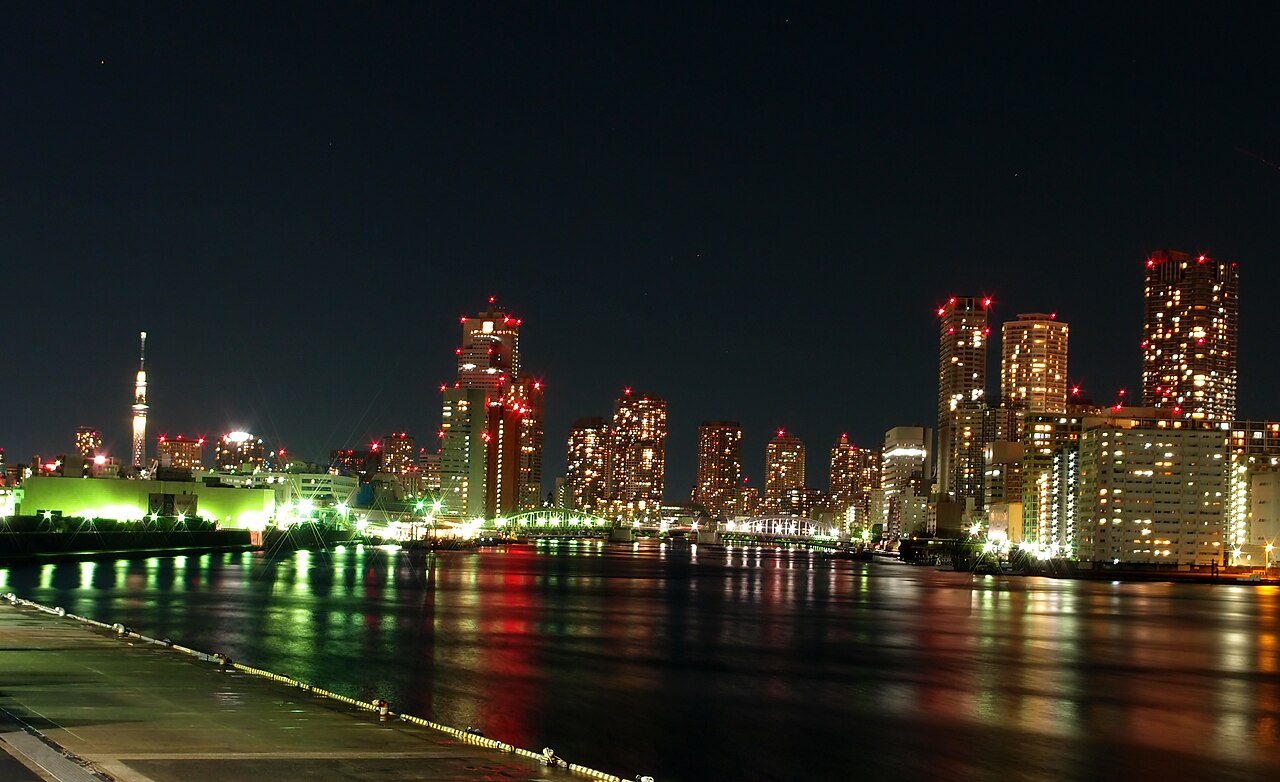

The Namban is a named Night City venue used as a base by Wage and his men. Lonny Zone suggests that Wage may have been there when Case begins searching for him, and Wage later orders two joeboys to return there after the confrontation at the Chatsubo. Following Case’s recruitment, Case and Molly visit the Namban so he can repay Wage with Armitage’s New Yen.
Very little physical description is supplied. The text establishes a social function more securely than a floor plan: people know to look for Wage there, his subordinates can be sent back to it, and a debt can be settled on its ground. Calling it Wage’s headquarters is useful shorthand, but invented décor, ownership records, or an exact street address should not be presented as novel canon.
The first reference
Case asks Lonny Zone whether he has seen Wage during the frantic first-night search. Zone recalls that Wage may have been at the Namban a few hours earlier and answers a follow-up question about the men accompanying him. The exchange assumes both characters already know the venue; Gibson gives the reader no explanatory pause or establishing view.
That compressed reference is why some readers mistake Namban for a person, district, or piece of slang. Grammar and later movement identify it as a place. Its narrative value comes from being an understood node in the underworld network, the sort of address that requires no elaboration among people who work Ninsei regularly.
The Chatsubo confrontation
Case eventually encounters Wage at the Chatsubo rather than at the Namban. Wage arrives with two Joe boys, but Ratz and the bar’s armed protection enforce a rule against killing anyone inside. After Wage denies planning to murder Case, he sends his men back to the Namban and continues the conversation without their immediate pressure.
The movement distinguishes the two venues. The Chatsubo offers a kind of rough neutrality maintained by Ratz and the expectations of its regulars. The Namban belongs more closely to Wage’s own operating territory. Sending muscle back there lowers the temperature in the Chat while leaving Wage’s organization intact nearby.
Debt payment after recruitment
Once Armitage has funded Case, Molly accompanies him to the Namban with a roll of New Yen. Case repays Wage, who accepts the money, while Wage’s men resent Molly’s presence and confidence. The novel compresses the visit rather than staging a long second confrontation, emphasizing how quickly capital changes Case’s status.
Molly appears almost eager for the joeboys to test her. That reaction makes her part of the payment’s force even without an attack. Armitage’s cash clears the account, while his razor girl signals that Case now belongs to a better-funded and more dangerous arrangement. The Namban is where debt becomes evidence of new backing.
The name Namban
Namban or nanban is a historical Japanese term associated with southern barbarians and later with early European traders, imported objects, and artistic styles shaped by that contact. Reference guides connect the venue’s name to non-Japanese wares and foreignness. This is helpful cultural context in a district crowded with gaijin and international commerce.
The novel does not have a narrator translate the sign or state why its proprietor chose it. The historical resonance should therefore be presented as a naming note, not as proof that the interior has a Portuguese theme or displays a particular pottery tradition. Even the spelling variation between Namban and Nanban belongs to romanization rather than two separate fictional places.
What can and cannot be mapped
The Namban can be placed within Case’s Chiba social route but not pinned confidently to a numbered Ninsei address. Zone knows it, Wage’s men return there, and Case visits after Deane’s office; those links establish proximity within the underworld ecology rather than exact blocks or travel time.
A restrained article should resist borrowing images from adaptations or from unrelated real venues with similar names. The canonical core is small but specific: a known base associated with Wage, a destination for his subordinates, and the setting of Case’s debt payment. Its sparseness is itself illustrative of Gibson’s method, in which one name can imply an operating network beyond the scene.
Trace the signal
Source notes
Novel facts are checked against the text; interpretation and publication claims are separated by source type. Read the editorial standards.
- Primary textNeuromancer — William Gibson; Ace, 1984
Primary-text key used by the character and location dossiers. Chapter locators are preferred to edition-specific pagination.
- ScholarshipStudy guide to Neuromancer — Paul Brians, Washington State University ↗
Archived academic reading guide for allusions, vocabulary, and chapter-level orientation.
- CommunityReader discussions of Neuromancer — Reddit communities ↗
Used only to document recurring reader questions and interpretations, not factual canon.