Freeside Hospitality and Nightlife
A guide to the hotels, restaurants, clubs, drug markets, and curated experiences surrounding the Freeside operation.
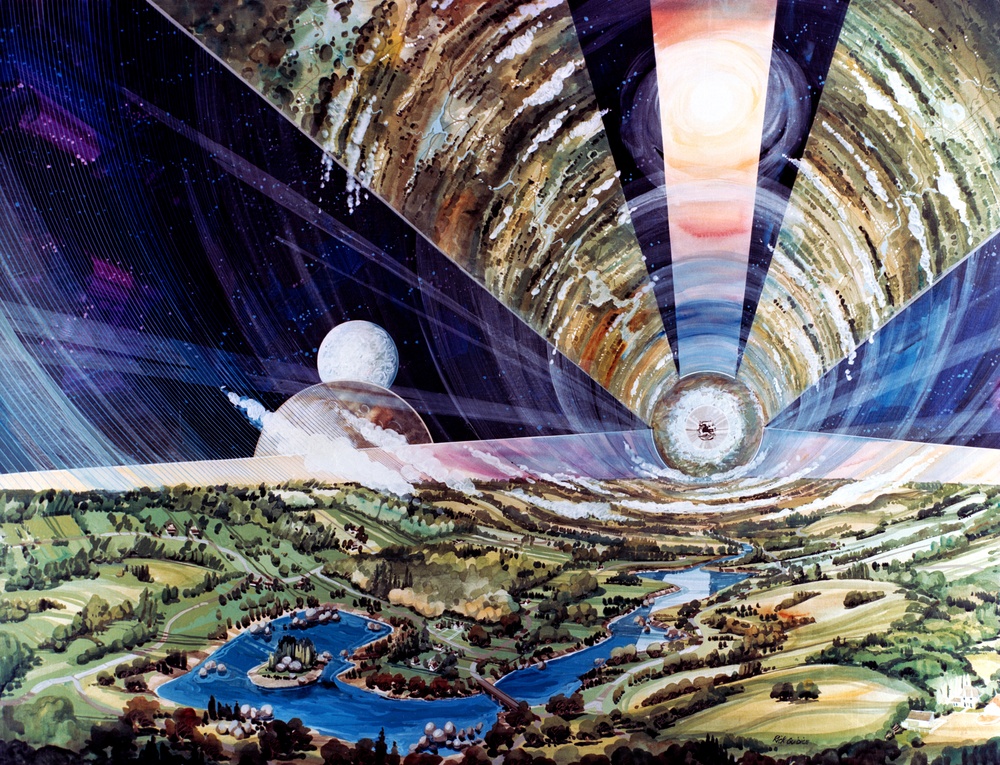
Freeside hospitality and nightlife describes a network of venues rather than one named location. Hotels, floating restaurants, casinos, emergency clubs, coffee franchises, taxis, and informal drug sellers turn the orbital habitat into a service environment for affluent transients. The page’s critical-interpretation label is deliberate because the novel does not name this network as one district or institution. Grouping the venues is useful only if their individual names and different levels of formality remain visible.
The crew uses that environment tactically. Riviera performs for an elite audience, Case meets Cath and Bruce in the nightlife circuit, and 3Jane’s social world becomes accessible through pleasure spaces outside Villa Straylight’s formal defenses. Hospitality also performs security. Credit checks, reservations, dress, social invitation, and controlled spectacle sort visitors without always resembling surveillance, which is why Riviera can exploit performance as an access credential. A guest who appears profitable and interesting can cross boundaries that would stop an obvious intruder. The crew does not defeat that system from outside; it supplies a product the elite wants to admit. Case’s encounters with clubs, taxis, drugs, and affluent travelers further show that informal commerce is interwoven with the official resort. Nightlife generates contacts and vulnerabilities the station cannot eliminate without damaging the freedom it sells.
Hospitality infrastructure
Freeside packages orbital life into recognizable services, reducing the risks of space to views, menus, and controlled novelty. Even gravity and sky become amenities maintained by systems largely invisible to paying visitors.
Case’s drug seeking shows the continuity between resort luxury and street economy. Freeside can present itself as controlled pleasure while informal sellers meet appetites official hospitality does not acknowledge. Cath and Bruce are not outside the station’s economy; they are a flexible extension of it. Their access to clubs, transport, and wealthy acquaintances turns social circulation into inventory.
Nightlife and informal markets
After official venues close or become restrictive, dealers and club contacts supply substances, transport, and information. Cath and Bruce help Case enter this layer, where social fluency matters more than the crew’s formal reservations.
Access to the elite
Riviera’s staged performance turns nightlife into an infiltration route to 3Jane. The plan works because elite leisure invites novelty while assuming it can remain insulated from the labor and violence producing it.
Trace the signal
Source notes
Novel facts are checked against the text; interpretation and publication claims are separated by source type. Read the editorial standards.
- Primary textNeuromancer — William Gibson; Ace, 1984
Primary-text key used by the character and location dossiers. Chapter locators are preferred to edition-specific pagination.
- ScholarshipStudy guide to Neuromancer — Paul Brians, Washington State University ↗
Archived academic reading guide for allusions, vocabulary, and chapter-level orientation.
- ReferenceNeuromancer by William Gibson — EBSCO Research Starters ↗
Structured overview of the novel's plot, characters, locations, and reception.